
- Three Routes to Property Income: Indians can earn Income From Property via traditional rental apartments, listed Real Estate Investment Trusts (REITs), or fractional co-ownership.
- Net Yield Over Gross Rent: A ₹60 lakh apartment rented at ₹20,000/month yields 3% net annually after ₹60,000 in maintenance, taxes, and repairs — always evaluate realistic post-expense returns.
- Accessible Commercial Exposure via REITs: Listed Indian REITs let investors start with small amounts through a demat account without managing physical tenants or repairs.
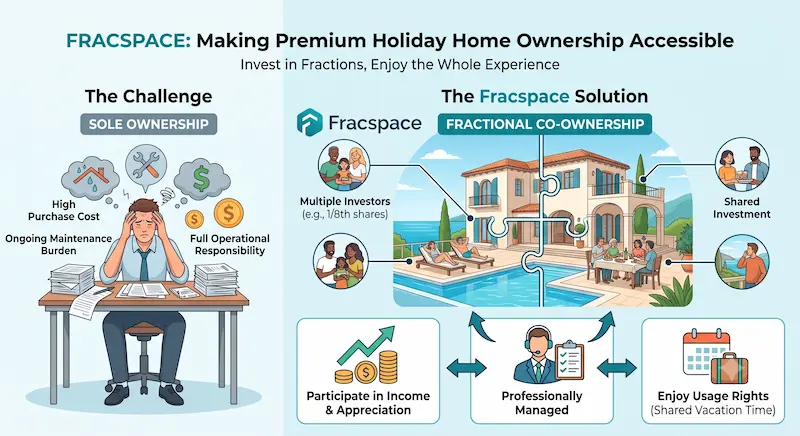
- Premium Holiday Assets via Fractional Ownership: Co-ownership enables investors to share ownership in destination villas and resorts — such as Fracspace's Alleppey Backwater Cottages starting from approximately ₹10 lakh.
- Hands-Off Operations: Professional hospitality and property management handles guest bookings, cleaning, and upkeep for remote owners, though management fees and occupancy fluctuations still apply.
- Risk & Legal Due Diligence: Always review legal ownership documents, tax treatment, recurring charges, and exit/resale conditions before committing funds.
Wouldn't it be nice to have an extra source of income that doesn't depend entirely on your monthly salary? Maybe it could help with your household expenses, support your savings, or give you more freedom to plan for the future. For many Indians, property is one of the first things that comes to mind when thinking about building long-term wealth. Traditionally, the idea was simple: buy a house, find tenants, and collect rent every month. But property prices have increased in many locations, and buying an entire apartment is not always practical. Today, there are other ways to participate in real estate, including REITs and fractional ownership. If you're exploring Income From Property, understanding how these options work can help you make a choice that suits your budget and financial goals.
Understanding Income From Property: Where Does the Money Come From?
When someone says they earn passive income through real estate, it doesn't always mean they own a house and collect rent. Property-related income can come from different sources, depending on the type of investment. A residential apartment may earn rent from tenants, while a holiday villa can generate revenue when travellers book a stay. REITs offer another option by allowing investors to receive distributions from a portfolio of real estate assets. Fractional ownership lets several people share an interest in a property and its possible rental earnings. When looking for Income From Property, it is important to understand how much money you need to invest and what expenses may affect your returns. The right investment should fit your financial situation instead of adding more responsibilities to your everyday life.
“The right real estate investment should fit your financial situation and support your long-term goals instead of adding more responsibilities to your everyday life.”
— Fracspace Insights
Is Buying a Rental Property Still Worth Considering?
For many families, buying an apartment and renting it out feels like a familiar way to invest. Imagine purchasing a two-bedroom apartment in Bengaluru and finding tenants who pay rent every month. That income could help you manage household expenses or build savings over time. But owning a rental property also involves work that people sometimes overlook. You may need to find new tenants, arrange repairs, pay maintenance bills, and deal with periods when the property remains empty. When calculating Income From Property, these expenses need to be deducted before you understand how much you are actually earning. Traditional rental ownership gives you more control over the asset, but it also requires a larger financial commitment. It may suit someone who prefers owning a complete property and is comfortable managing it.
How REITs Make Real Estate Investment More Accessible
Have you ever thought about investing in a large office building without having enough money to purchase even a small part of it directly? Real Estate Investment Trusts, commonly known as REITs, make this type of investment possible through units that investors can purchase. In India, listed REIT units can be bought through a demat account, much like shares. These trusts hold eligible real estate assets and distribute income according to their financial performance and applicable regulations. For someone interested in Income From Property without managing tenants or repairs, REITs may be worth exploring. They generally require a much smaller starting amount than buying an entire apartment. However, REIT unit prices can change, and distributions may increase or decrease over time. Investors should understand the underlying properties, charges, and risks before deciding.
 Listed REITs
Fractional Ownership: A Different Way to Invest in Premium Properties
Imagine spending a weekend at a beautiful resort in Kerala and wishing you could own a place like it. The surroundings are peaceful, the property is well maintained, and guests enjoy staying there. But purchasing an entire resort or holiday villa may require a substantial investment. Fractional ownership offers another approach by allowing multiple investors to share an interest in the same real estate asset. Instead of paying the full purchase price independently, each person contributes towards a smaller ownership share under a documented legal arrangement. For people exploring Income From Property, this can create opportunities to participate in rental earnings from selected premium properties. Depending on the agreement, owners may also benefit from future property appreciation and personal stay privileges. However, rental earnings are not guaranteed, and investors need to understand management expenses and resale conditions.
 Fractional Co-Ownership
Rental Property vs REITs vs Fractional Ownership: Which Is Better?
The best option depends on how much money you want to invest and how involved you want to be. Buying a complete apartment may suit someone who values direct ownership and wants control over how the property is used. REITs can appeal to investors who prefer exchange-traded real estate investments without managing physical assets themselves. Fractional ownership may interest people who want access to selected premium properties but prefer to share the purchase cost. When comparing different sources of Income From Property, looking only at the expected return can be misleading. A property that earns good rent may also have high maintenance expenses, while other investments may face changes in market value. It is important to compare the money you actually receive after expenses, the risks involved, and how easily you can sell your investment.
| Comparison Factor | Traditional Rental Property | Listed REITs | Fractional Ownership |
|---|---|---|---|
| Capital Required | High (₹50 Lakh – ₹1.5 Cr+) | Low (Small market-linked unit sizes) | Moderate (From approx. ₹10 Lakh) |
| Income Source | Monthly rent from residential or commercial tenants | Periodic trust distributions from commercial portfolios | Share of hospitality/guest bookings or lease income |
| Management Effort | High (Tenants, repairs, bills, and vacancies) | Passive (Managed by trust managers) | Passive (Professionally managed for applicable projects) |
| Asset & Usage Control | Full direct control over the complete property | No direct control or personal stay usage | Documented shared interest + possible stay privileges |
| Liquidity & Exit | Low to Moderate (Finding a full-asset buyer takes time) | High (Traded on stock exchanges via demat account) | Varies by agreement and secondary resale demand |
| Key Considerations | Vacancy periods, maintenance bills, and loan interest | Market price volatility and variable distributions | Management charges, occupancy swings, and resale timelines |
Explore Co-Ownership Opportunities
Get verified fractional assets, rental yields & transparent legal structures.
How Much Rental Income Can a Property Really Generate?
Let's imagine you purchase an apartment worth ₹60 lakh and rent it out for ₹20,000 every month. If the apartment stays occupied throughout the year, you would receive ₹2.4 lakh in gross annual rental income. But suppose you spend ₹60,000 during the year on repairs, maintenance, property taxes, and other running costs. Your remaining income would be ₹1.8 lakh before personal taxes and any loan-related expenses. That works out to a 3% annual yield on the assumed ₹60 lakh purchase price, excluding transaction costs. This example shows why Income From Property should be calculated using realistic figures rather than advertised rental amounts. A holiday home may earn more during popular travel seasons and less during quieter months. Understanding these changes helps investors set sensible expectations instead of depending on fixed-income promises.
Illustrative Rental Yield Reality Check (₹60 Lakh Apartment)
Why realistic net figures matter far more than headline monthly rent when evaluating Income From Property:
What Are the Risks of Earning Passive Income from Real Estate?
Real estate can provide financial opportunities, but it is important to remember that no property investment is completely free from risk. A rented apartment may remain empty for several months, while an unexpected repair could reduce your earnings. REITs are affected by property market conditions, tenant demand, and changes in their unit prices. Fractional ownership may also involve challenges, particularly when an investor wants to sell their share. When choosing a source of Income From Property, it is worth asking how the investment performs when rental demand is lower than expected. You should also understand management charges, ownership rights, tax implications, and the rules for exiting the investment. A careful approach can help you avoid making decisions based only on attractive income projections.
- ✓Occupancy & Seasonality Swings: Evaluate how your returns hold up during off-peak travel months or residential tenant vacancies.
- ✓Management & Operating Charges: Review all recurring maintenance bills, property taxes, and platform management expenses.
- ✓Ownership Rights & Tax Treatment: Confirm whether your investment is held via direct co-ownership, an SPV entity, or listed REIT units, and check applicable tax rules.
- ✓Exit & Resale Conditions: Understand lock-in clauses, secondary market liquidity, and realistic timelines for selling your share or asset.
Explore Professionally Managed Property Ownership with Fracspace
If you like the idea of owning premium real estate but don't want the full responsibility of purchasing and managing a property, Fracspace offers another option to explore. Based in Hyderabad, Fracspace is a proptech company focused on fractional ownership opportunities in selected holiday homes, villas, resorts, and other real estate assets. Its model allows investors to participate through smaller ownership interests rather than buying the complete property independently. For people interested in Income From Property, Fracspace offers professionally managed opportunities that may generate rental earnings through guest bookings and hospitality operations. The company also provides support with property selection, ownership documentation, and everyday management for applicable projects. This approach may appeal to investors who want exposure to destination properties without personally handling every maintenance issue. However, buyers should carefully review the legal arrangements, financial terms, and risks before investing.
Alleppey Backwater Cottages: A Holiday Property Opportunity in Kerala
Imagine opening your window to a peaceful backwater view, hearing birds in the distance, and watching traditional boats move slowly through the water. This is the kind of experience that brings travellers to Alleppey in Kerala. Fracspace brings this destination into its portfolio through Alleppey Backwater Cottages, a planned hospitality project designed around the beauty of the region. The concept includes four private yurt cottages and a traditional two-bedroom Kerala home, offering visitors a different kind of holiday stay. Fracspace has advertised fractional participation starting from approximately ₹10 lakh, subject to project availability and current terms. Interested investors can explore the opportunity to own a share of the property rather than purchasing the complete asset. Its potential rental performance will depend on bookings, management expenses, and local demand. Before investing, buyers should confirm the development status, ownership rights, and operating arrangements.

How Fracspace Makes Holiday Property Management Easier
Owning a holiday property in another city can sound exciting until something needs attention. Imagine living in Chennai while owning a cottage in Kerala, where guests arrive throughout the week. There may be cleaning schedules, repairs, guest enquiries, and regular maintenance requirements to manage. Handling these responsibilities from a different city can take considerable time. Fracspace aims to simplify this experience through professional property management services for applicable projects. Investors can explore selected opportunities through the company's website and mobile application, understand the investment process, and access reported property information. The platform also provides access to rental and investment performance details, depending on the project. While these services may make ownership more convenient, investors should still consider the management charges and other ongoing expenses.
Exploring Income From Property Through Fracspace
For many people, owning a second property is appealing, but buying an entire holiday villa or resort may not fit their financial plans. Fracspace offers an alternative through selected co-ownership opportunities in premium real estate. Instead of taking responsibility for the full purchase cost, investors can participate through a documented ownership interest. Depending on the project agreement, they may receive a share of available rental earnings, potential appreciation benefits, and personal stay privileges. This makes Fracspace worth exploring for buyers who enjoy destination properties but prefer professional management support. However, actual returns depend on property performance, and selling an ownership interest may take time. Investors should compare the total investment, recurring charges, holding period, and exit conditions before making a decision. Understanding the complete financial picture is more important than choosing a property based only on projected returns.
Why Fracspace Is Making Premium Real Estate More Accessible
For years, the idea of owning a premium holiday villa or resort property has seemed like something only people with large budgets could consider. Even those who could afford a second home sometimes hesitated because of maintenance costs and the work involved in managing it. Fracspace aims to make selected premium real estate opportunities more accessible through its shared ownership model. The company focuses on destination properties, documented ownership arrangements, and professional management support. Its digital platform also helps investors explore opportunities and access relevant property information without having to visit the location regularly. By bringing property discovery, ownership support, and management services together, Fracspace offers a different way to explore real estate investment. Its approach may suit people who want to participate in premium holiday properties while sharing the financial commitment with other owners. As with any investment, understanding the legal and financial conditions remains essential.
Build Your Property Investment Journey with Fracspace
Building an additional source of income is not something that happens overnight. It takes planning, patience, and a clear understanding of where your money is going. Traditional rental properties, REITs, and fractional ownership each offer different ways to participate in the real estate market. If you prefer owning and managing a complete property, a rental apartment may be worth considering. If you want property exposure without purchasing a physical asset, listed REITs may offer another route. For those interested in premium holiday properties, Fracspace provides selected co-ownership opportunities supported by professional management. Understanding how to generate Income From Property starts with comparing realistic earnings, expenses, and investment risks. Visit Fracspace to explore available properties, understand the ownership process, and connect with the team before making an investment decision.